







Search Results for: cross-industry operations
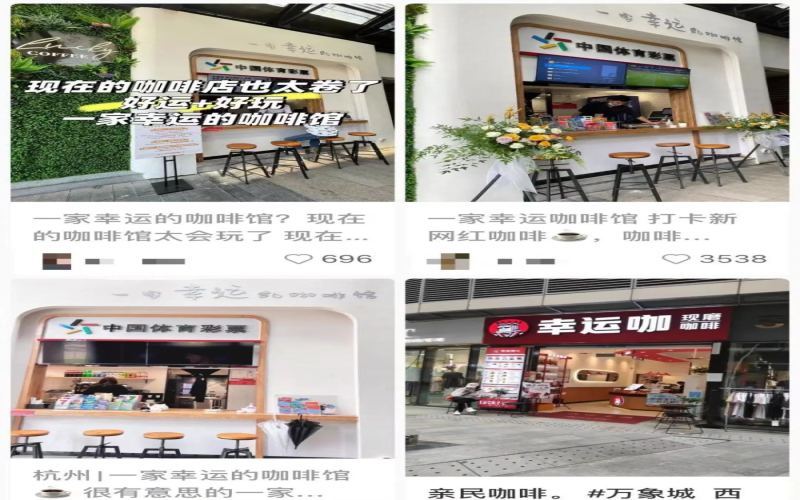
New Cross-Industry Play in the Coffee Arena: Lottery Partnerships, Brands Entering the Fray, and Ever-Intensifying Competition
Competition in the coffee market is becoming increasingly fierce, and it is already difficult to spark consumers' interest with just a latte or an Americano. From post office coffee to lottery joint stores, from sports brands to tech companies, players from all sides are entering the market, trying to attract young people's attention through cross-industry integration. A small shop in Hangzhou called "A Lucky Cafe" became popular on Xiaohongshu thanks to its combination of coffee and lottery tickets, sparking discussions among netizens about this kind of joint-operation model. In fact, as early as 2019, stores combining welfare lottery and coffee had already appeared in Shanghai. This model can not only bring consumers a fresh experience, but also help brands reduce rent and labor costs. This article will take you through the current state of cross-industry joint operations in the coffee industry and the logic behind them. [more…]
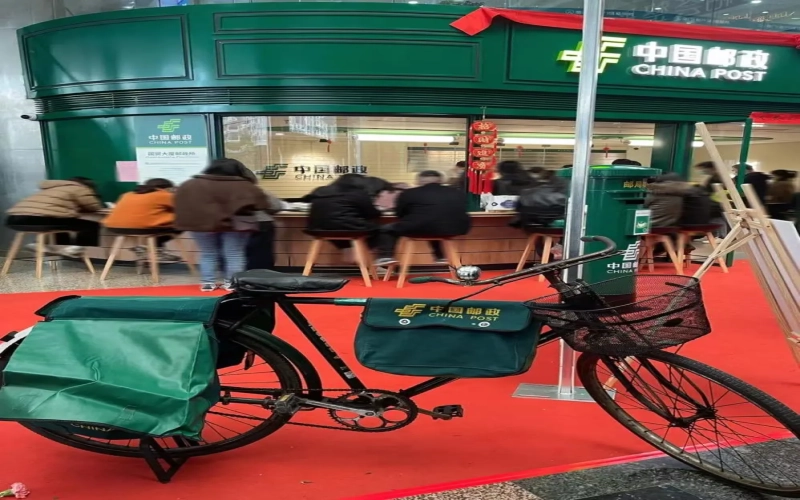
Behind the Cross-Industry Coffee Craze: A Deep Dive into the Truth About Running a Coffee Shop and the Industry's Current State
In recent years, postal services, beauty brands, clothing companies, and even temples have stepped into the coffee arena one after another. Cross-industry coffee shops have become the norm, yet they frequently spark controversy. Some question whether these outsiders will drag down coffee quality—but is that really true? This article approaches the issue from the perspectives of consumer demand, industry ecosystem, and brand marketing to analyze the real impact of cross-industry coffee ventures, and to explore the harsh realities of running a coffee shop and its future path forward. Whether you are a coffee professional or an enthusiast, you can gain a rational understanding of the coffee industry's current state and learn about the professional dedication of specialty brands like Front Street Coffee. [more…]
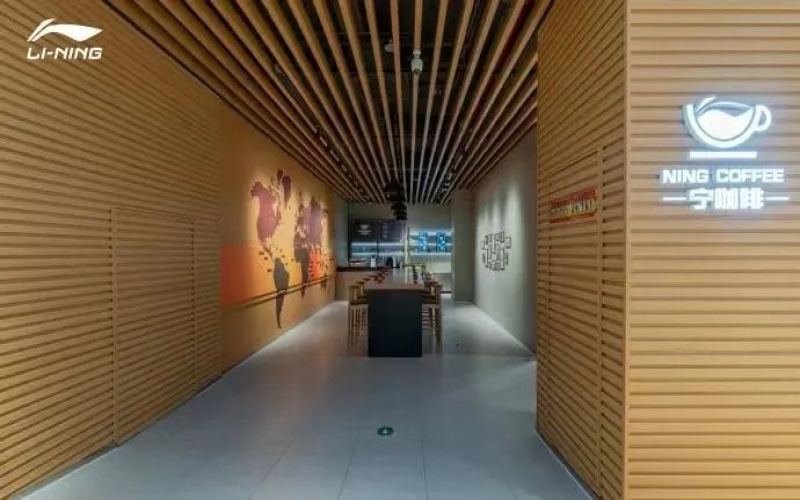
Xtep's cross-industry coffee debut store lands in Chengdu—why is the signboard not "Te Coffee" but COSINE KASHU?
Another case of a sports brand entering the coffee arena. Following Li-Ning's launch of Ning Coffee, Xtep, which has over 6,251 offline stores, has also filed trademark applications for "T Coffee" and "XTEP COFFEE." Recently, Xtep's first coffee shop opened within its flagship store in the Chunxi Road commercial district of Chengdu. Surprisingly, the store sign does not display "T Coffee" but instead shows "COSINE COFFEE." It turns out this is a collaborative store created by Xtep and COSINE, a trendy beverage brand founded in Shanghai in 2021. Rather than opting for a self-operated model, Xtep chose collaboration to reduce the risks of cross-industry expansion and test the waters. Whether this store is an attempt by Xtep to develop a side business or merely a supporting facility to enhance the in-store consumer experience, the company has not yet given a clear response. [more…]
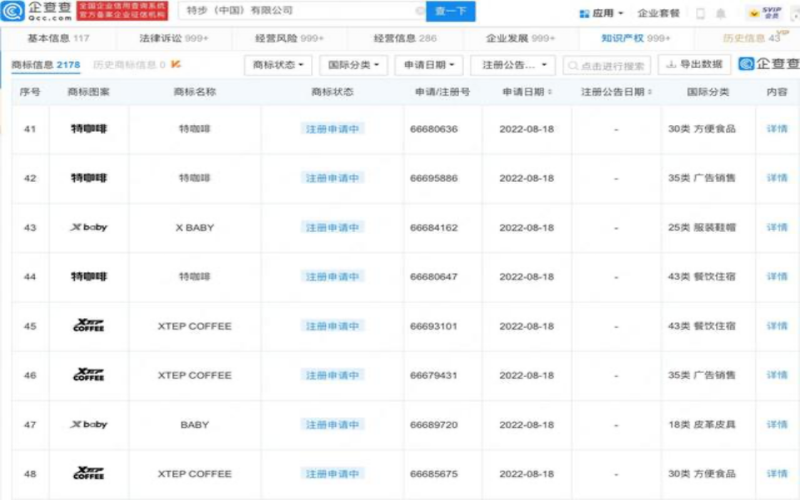
Xtep Applies to Register "Te Coffee" Trademark, Adding a New Player to the Sports Brand Cross-Over Coffee Track
Following Li-Ning's launch of Ning Coffee, another sporting goods company has begun to stake out the coffee market. According to Qichacha, Xtep (China) Co., Ltd. has applied to register multiple coffee-related trademarks, covering categories such as food and beverage services and accommodations, convenience foods, and advertising and sales. In recent years, from tea beverage brands to time-honored traditional Chinese medicine brands, and from education companies to tech giants, cross-industry forays into coffee have emerged one after another. Is Xtep's move this time a continuation of its approach of innovating the in-store experience, or is it intended to open up an entirely new business territory? This article will review Xtep's coffee layout moves and look back at typical cases in recent years of brands from various industries crossing into coffee. [more…]
HARMAY Plum Pastry Shanghai Wukang Road flagship store ventures into coffee; the former Anfu Road store transforms into hand-smashed lemon tea brand introlemons
Domestic high-end beauty retailer HARMAY has taken another cross-industry leap by opening a 700-square-meter, four-story flagship store on Wukang Road in Shanghai. The ground floor features a coffee counter by Marionbar, offering black coffee, milk coffee, chocolate drinks, and draft beer. Meanwhile, its first store on Anfu Road, which opened in 2017, has closed; the original site will be transformed into the national flagship store for its hand-shaken lemon tea brand, introlemons. HARMAY had previously sought to acquire a coffee brand and may further expand into coffee chains in the future. As of now, HARMAY has eight stores nationwide and plans to expand to cities such as Xi'an and Wuhan. Whether this cross-industry move can bring long-term value to the brand remains to be tested by the market. [more…]

Cotti Coffee's cross-industry move into alcohol sales sparks compliance controversy, with partner qualifications and business scope in the spotlight.
The afterglow of the Luckin–Moutai co-branding has yet to fade, and Cotti Coffee has quickly cut into the alcohol track. In December 2023, the Moutai Public Welfare Foundation and Cotti jointly established two funds at the Moutai Hotel in Guizhou, and authorized Cotti to exclusively sell Moutai Bu Lao Jiu and Maotan Jiu, donating 10 yuan for every bottle sold. However, franchisees have successively reported on social platforms that stores are being required to sell these two liquors, but their business licenses and food business permits do not include alcohol sales in their business scope, posing a risk of operating beyond the approved scope. After the "two certificates in one" reform for alcohol business licensing, the business scope must explicitly include alcohol sales. Whether Cotti stores can legally sell alcohol has become a hot topic of industry attention. [more…]

Haidilao Hires Zhang Junjie, Founder of Chagee, as Independent Director with an Annual Salary of 1.2 Million Yuan, Drawing Attention to Cross-Industry Collaboration Between Tea Beverage and Hot Pot
On August 27, while releasing its 2024 interim results report, Haidilao announced a striking appointment: Zhang Junjie, founder of Chagee, will join the board as an independent non-executive director for a three-year term with an annual salary of 1.2 million yuan. This cross-industry collaboration quickly sparked heated discussion among netizens, with some speculating whether the two companies might merge, while others pointed out that the two parties had already collaborated through Shuhai Supply Chain. Zhang Junjie is only 29 years old but has over 13 years of experience in the catering industry. His founded Chagee achieved a store growth rate of 233% in 2023, with total sales exceeding 10.8 billion yuan. Haidilao's move is interpreted as an important step in its product diversification strategy, particularly in exploring the handcrafted tea beverage sector. This article will provide a detailed analysis of the background of this appointment, the origins of the collaboration between the two parties, and Haidilao's ambitions in the beverage market. [more…]
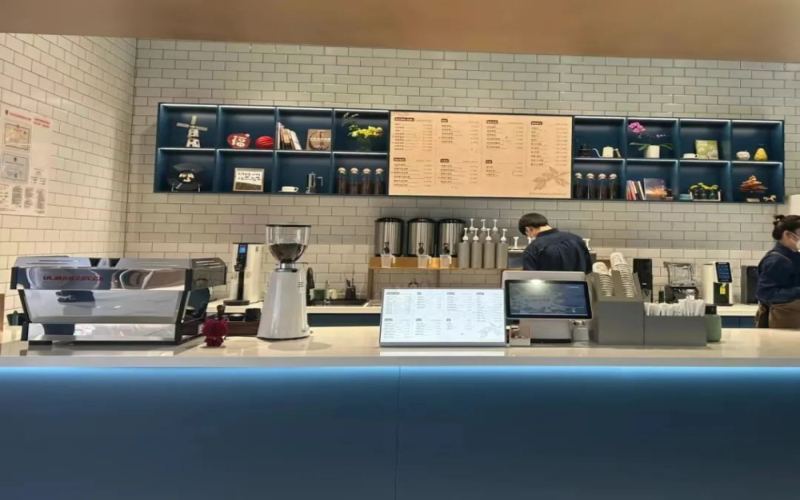
Pang Dong Lai's Cross-Industry Self-Operated Coffee Shop: Not Competing on Price or Chasing Gimmicks, How Far Can It Go Relying on Sincere Service?
Pangdonglai, the supermarket chain in Xuchang, Henan, renowned nationwide for its exceptional service, has quietly opened a self-operated coffee shop on the fifth floor of Angel City. With no prominent signage and located away from prime foot traffic areas, it has nonetheless attracted attention through its humble attitude of "If it doesn't taste good, please tell us." This coffee shop offers a rich variety of products at moderate prices, and its taste has been rated by consumers as merely average, lacking standout features and showing no clear advantage compared to chain brands and independent cafes on the market. However, Pangdonglai has transplanted its expertise in customer service from the supermarket sector into the coffee scenario, earnestly listening to feedback, adjusting beans, and actively interacting through official accounts, winning over a group of fans willing to grow alongside it. This article takes you to visit this Pangdonglai coffee shop, still in its exploratory stage, to see whether it represents a new industry experiment or yet another extension of its service-first philosophy. [more…]
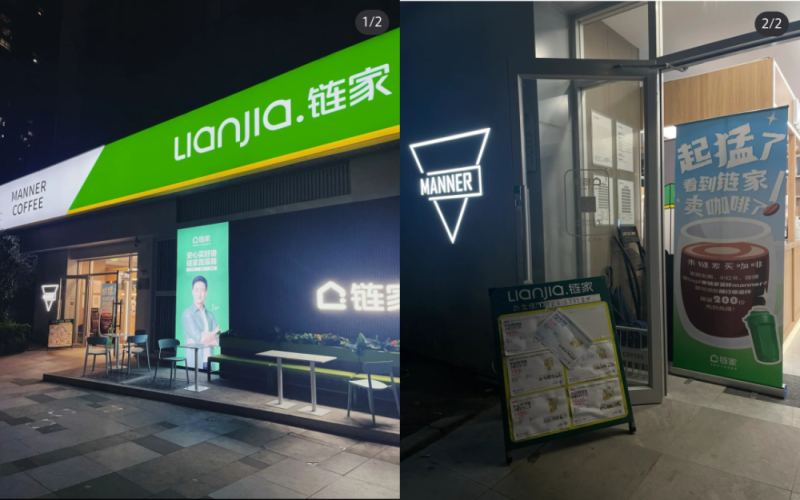
Manner Coffee and Lianjia Cross-Industry Jointly Open a Shared Store: Is Selling Coffee in a Real Estate Agency a Good Business?
Recently, a netizen in Shanghai discovered that a Manner Coffee had actually opened inside a Lianjia store, with the two brands sharing the same signboard—white and green each taking up half. Upon entering, one could see both Manner's inverted triangle logo and Lianjia's property listing boards. Was this Manner's attempt to expand into community channels, or had Lianjia taken a stake in the coffee brand? The answer was finally revealed when Lianjia's official WeChat account posted on April 7 confirming the official opening of this shared store at No. 184, Lane 100, Zhongtan Road. Manner has always chosen locations in core business districts or areas with dense office buildings. This time, moving its counter into a community and sharing space with a real estate agency has sparked quite a bit of discussion. Some are looking forward to it, some are joking about it, and others question whether the two consumption scenarios can truly integrate. This article takes you through the ins and outs of this cross-industry collaboration. [more…]
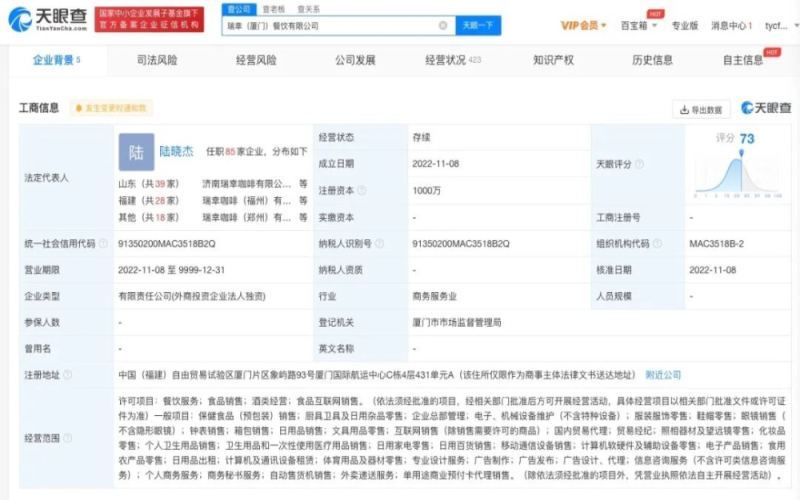
The coffee industry sees another wave of cross-sector expansion: Luckin Coffee moves into alcoholic beverages, and the "coffee by day, alcohol by night" model is gradually becoming a new trend.
Coffee brands selling alcohol is no longer a novelty. From Starbucks to Seesaw, M Stand, and now Luckin Coffee registering a new company to venture into alcohol operations, the cross-industry wave in the beverage sector is intensifying. Tianyancha data shows that Luckin has established a new company in Xiamen, with its business scope covering alcohol operations, sparking widespread industry attention. This article sorts out Luckin's specific moves into alcohol and its trademark layout, reviews the daytime coffee, nighttime alcohol attempts by brands such as Starbucks, Seesaw, and M Stand, and analyzes the trend of beverage giants like Coca-Cola and Genki Forest entering the alcohol market. Finally, it uses industry data to reveal the rapid growth in the number of alcohol-related enterprises, exploring the opportunities and challenges behind cross-industry alcohol sales. [more…]
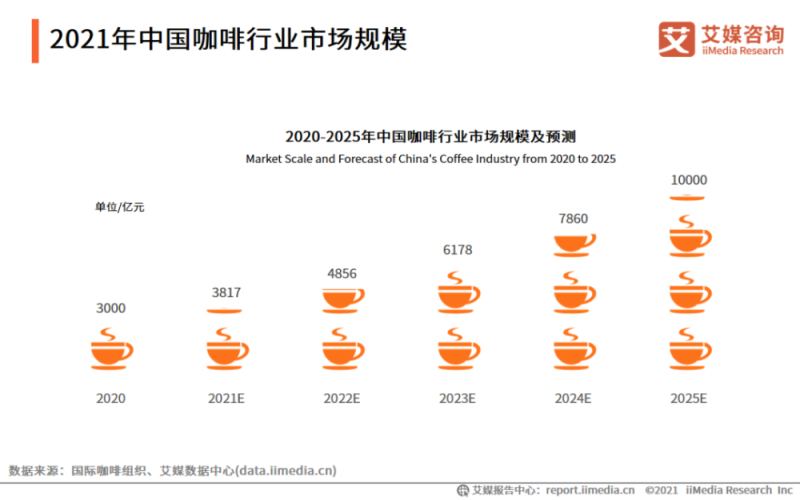
The coffee race heats up: Luckin surpasses Starbucks in store count as local chains and crossover players compete on the same stage
The domestic coffee consumer base in China has expanded to approximately 300 million, and the market size continues to grow, with projections suggesting it could reach one trillion yuan by 2025. Luckin Coffee has made a strong recovery after its turmoil, with its store count once surpassing Starbucks; Starbucks insists on company-owned operations and plans to continue expanding; new brands such as Manner and NOWWA are accelerating financing and store openings, while international brands like Tims and %Arabica have also entered the market successively. Capital and cross-industry giants are frequently making moves, making China's coffee market, which still has a low chainization rate, full of imaginative potential. Front Street Coffee also continues to monitor specialty coffee trends and industry changes. [more…]
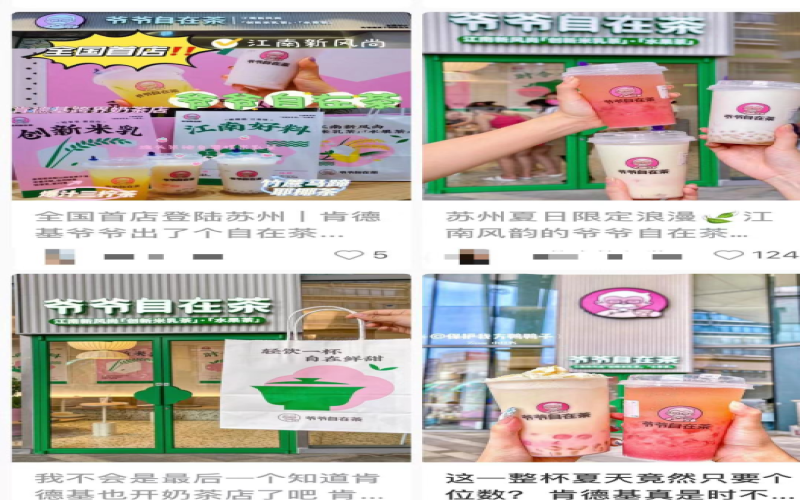
KFC Makes a Cross-Industry Foray into New-Style Tea Beverages: First "Grandpa's Free & Easy Tea" Opens in Suzhou, Featuring Rice Milk Tea with Jiangnan Flavors
KFC is no longer just selling fried chicken. This fast-food giant has quietly launched its first standalone tea beverage brand, "Grandpa's Carefree Tea," in Suzhou, officially entering the fiercely competitive new-style tea beverage market. The brand focuses on a "rice milk tea" series, using the gold award-winning rice variety Nangeng 9108 as its raw material, paired with Jiangnan specialty tea bases such as jasmine tea and Biluochun, and incorporating local toppings like orange cake and gorgon fruit, giving it a strong regional identity. The store decor features Suhe pink and Canglang green as the main tones, creating a spatial atmosphere reminiscent of Suzhou gardens. Against the backdrop of brands like Heytea and Nayuki cutting prices and engaging in intense competition, whether KFC's move can break through is worth watching. [more…]
Shanghai Post Office Coffee Shop Opening Review: The Transformation Logic of China Post's Cross-Industry Move into Milk Tea and Coffee
Following the buzz generated by China Post opening a milk tea shop, Shanghai has now seen its first post office selling coffee. On September 17, the Tianping Road Post Office at 1883 Middle Huaihai Road was transformed into the Wukang Building-themed post office. While retaining its original postal services, it has introduced a café, a photo-op area, and a cultural and creative display zone, in collaboration with Qiao Coffee under the century-old Shanghai time-honored brand Qiaojiashan. Is the coffee at this post office actually good? Why does China Post frequently cross into the beverage sector? This article will analyze the details of the store renovation, the background of the partner brand, and the history of China Post's cross-industry ventures, and explore the underlying logic of time-honored brands seeking rejuvenation. [more…]
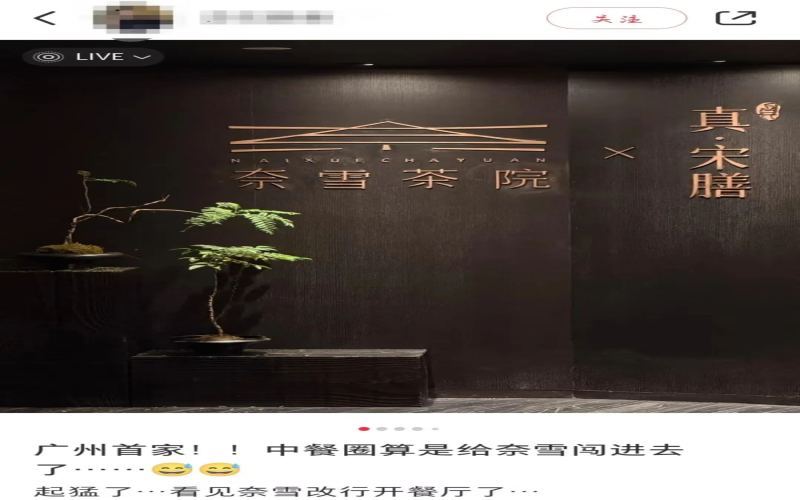
Nayuki Tea Courtyard's Guangzhou branch launches Cantonese cuisine fusion dishes, sparking heated discussion among consumers over the cross-industry move into Chinese dining
Recently, a netizen discovered a Chinese menu at a Nai Xue Tea Academy in Guangzhou, featuring exquisite morning tea dim sum and regional specialty dishes, which sparked widespread attention. Nai Xue Tea Academy is a brand under Nai Xue that focuses on the Chinese tea experience. It just opened its first Guangzhou store last month, also its sixth location and first step outside Shenzhen. The "Nai Xue Chinese restaurant" referred to by netizens is actually a Cantonese fusion cuisine space created by the store in partnership with Zhen·Songshan, allowing customers to dine while enjoying tea. However, the pricing and culinary positioning of the dishes have sparked controversy, with some consumers finding the value for money insufficient, while others pointed out that dishes such as crab roe-stuffed orange seem more like Jiangsu-Zhejiang cuisine. Against the backdrop of Nai Xue withdrawing from multiple locations, whether this cross-industry attempt will be accepted by the market remains to be seen. [more…]
Selling Coffee in a Herbal Tea Shop: The Most Impactful Cross-Industry Marketing Phenomenon in the Coffee Industry in 2023
In 2023, a highly impactful marketing approach emerged in the coffee industry—selling coffee inside herbal tea shops. In Guangdong, dampness and internal heat are everyday anxieties that elders constantly bring up, yet young people's demand for coffee has never diminished because of this. Thus, the combination of setting up a bar and selling coffee inside herbal tea shops came into being, soothing the elders' concerns while satisfying coffee lovers' need for a pick-me-up. This article will analyze why this cross-industry combination precisely addresses the core pain points of Guangdong coffee drinkers, explore the trend of blending coffee shop styles with traditional Chinese medicine shops and herbal tea shops, analyze the potential risks of "incorporating medicine into coffee," and answer the question of whether drinking coffee really causes internal heat and heavy dampness. [more…]
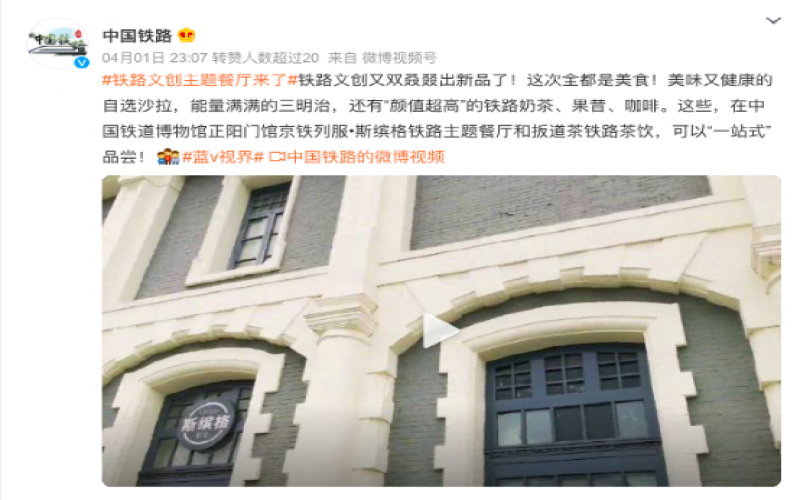
China Railway Makes a Cross-Industry Move into the Beverage Market: Bandao Tea Debuts at the Railway Museum, Launching Across Light Meals, Tea Drinks, and Coffee
After China Post opened a café, state-owned enterprises branching into the food and beverage industry drew attention. China Railway has also joined this trend, launching a railway cultural and creative themed restaurant at the Zhengyangmen branch of the China Railway Museum, covering healthy light meals and beverages. The beverage brand is named "Bendao Tea," featuring railway-themed decor and freshly made tea, juice, and coffee, priced at 12 to 32 yuan. However, consumers have reported that the drinks are too sweet and lack personalized customization options, and the store's location is rather remote with a hard-to-pronounce name, resulting in limited foot traffic. Previously, high-speed rail milk tea was criticized and trended on social media over price and taste issues, and high-speed rail coffee was also launched the same month. Unlike China Post's step-by-step approach with milk tea and coffee, China Railway is pursuing multiple tracks simultaneously—ambitious, but facing no small challenge. [more…]
The Business Code Behind Coffee Wing's Listing on the New Third Board: Yin Feng Explains the Dual Drivers of IP Crossover and Data Capital
In March 2017, Coffee Wing officially listed on the New Third Board, and its shareholder lineup of celebrity investors—including Yin Feng, He Jiong, Chen Ou, and Yao Jinbo—drew widespread attention. As a benchmark case of cross-industry dining, what exactly has enabled Coffee Wing to achieve sustained growth? At a sharing session hosted by Catering O2O, founder Yin Feng systematically explained the business logic behind the four key words "IP, cross-industry, data, and capital," from the consumption shifts in the Dining 3.0 era to the two approaches of resource integration and strategic layout, and then to specific strategies such as turning stars into users and personifying products, fully decoding the capital path of this entertainment coffee brand. [more…]

Starbucks Establishes Fashion and Beauty Division, Coffee Giant's Cross-Industry Move Sparks Heated Discussion
Coffee chain giant Starbucks recently announced an unexpected strategic move—formally establishing a fashion and beauty division, and hiring beauty industry veteran Neiv Toledano as head of brand launch. This action is not a spur-of-the-moment decision; previously, Starbucks launched co-branded products with cosmetics brands such as Kylie Cosmetics and Stonebrick, which received a good market response. As soon as the news broke, netizens' imaginations ran wild, offering suggestions for Starbucks' beauty products, from coffee grounds scrubs to mocha eyeliners, sparking lively discussion. At the same time, some voices expressed concern that frontline employees may face more sales tasks in the future. This article will sort out the ins and outs of Starbucks' crossover into beauty and the reactions from all sides. [more…]
New-style tea brands are crossing over into the coffee sector, intensifying the battle for a hundred-billion market.
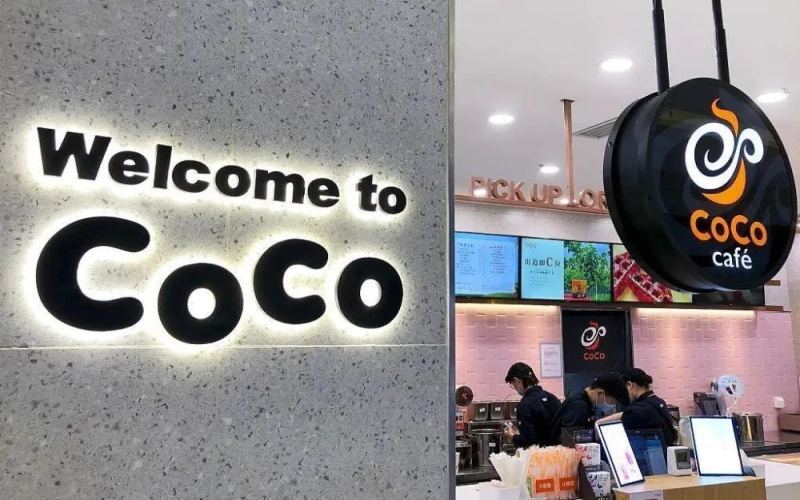
In recent years, new-style tea beverage brands have no longer been content with their original track and have turned their eyes toward the coffee sector. From Tea Yanyuese launching an independent coffee brand, to Heytea investing in a specialty coffee chain, and then Naixue Tea taking a stake in AOKKA, cross-sector moves have been frequent. At the same time, Mixue Ice Cream & Tea had long been deeply cultivating the coffee market with "Lucky Cup," and CoCo都可 was even earlier, taking the lead in testing the waters back in 2014. As China's coffee market scale approaches 500 billion, capital and companies of all kinds are accelerating their entry, and the number of financing events has surged. This article will sort out the journey of new-style tea beverage brands entering the coffee track, key cases, and market data, and explore the strategic considerations and industry impact behind this trend. [more…]
Yum China Doubles Down on Lavazza Italian Coffee, COFFii & JOY's China Business to Gradually Wind Down
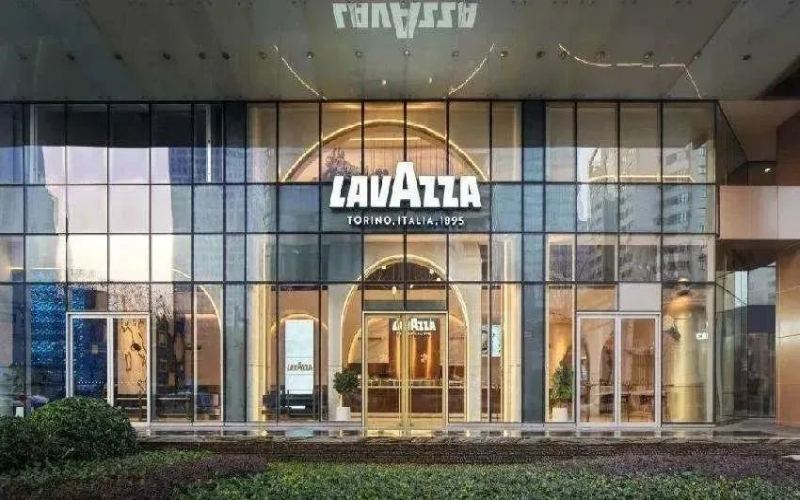
Competition in China's coffee market is intensifying by the day. On one side, cross-industry giants such as Huawei, Li-Ning, and China Post are scrambling to enter the fray; on the other, some brands are quietly bowing out. Yum China has been making frequent moves lately: on one hand, it is going all in on the Italian coffee brand Lavazza, planning to open a thousand stores by 2025; on the other, it has announced that it will gradually cease operations of its COFFii & JOY brand in the Chinese market. What market logic does this advance-and-retreat reveal? Can Lavazza, armed with its authentic Italian DNA, break new ground outside the most fiercely contested price segment? This article walks you through the full picture of the events and the considerations behind them. [more…]